

Ktima Pavlidis
Amenities
As a member of the Winemakers’ Association of Northern Greece and a stop on the “Wine Roads of Dionysus,” Ktima Pavlidis is open to visits from wine lovers 6 days a week by appointment.
Book Your Visit
Reserve your wine experience
Select your preferred experience, date and time.
Select an experience to see guest limits
Select an experience to see available dates
Book now, no credit card needed. You pay at the winery.
Gallery
Click any image to view fullscreen. Scroll or use arrows to browse
Our Story
Our Story
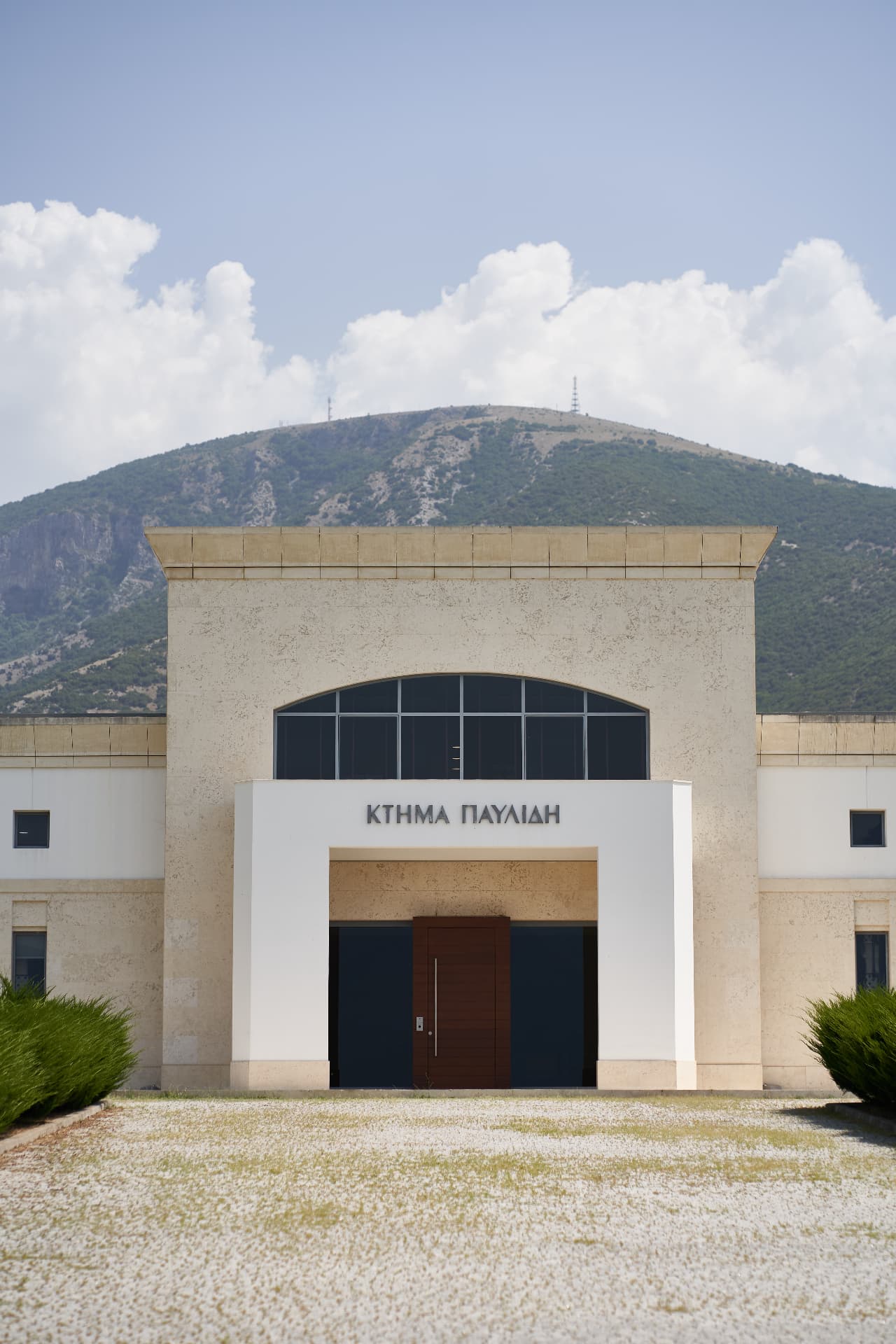
Ktima Pavlidis was founded in 1998 by Christoforos Pavlidis, a businessman in the marble sector. An undeveloped area of about 200 stremmas in Kokkinogeia, Drama, had caught his attention. It is a narrow valley amphitheatrically surrounded by three large mountains, Falakro, Menoikio, and Pangaio, which leave a passage between them to the Aegean Sea. This geographical formation gives the vineyards a distinctive microclimate, where the cool winds blowing during the night lead to a significant drop in temperature. That is where it all began with the planting of the first 20 stremmas of vineyard and the installation of the estate’s winery.
Terroir
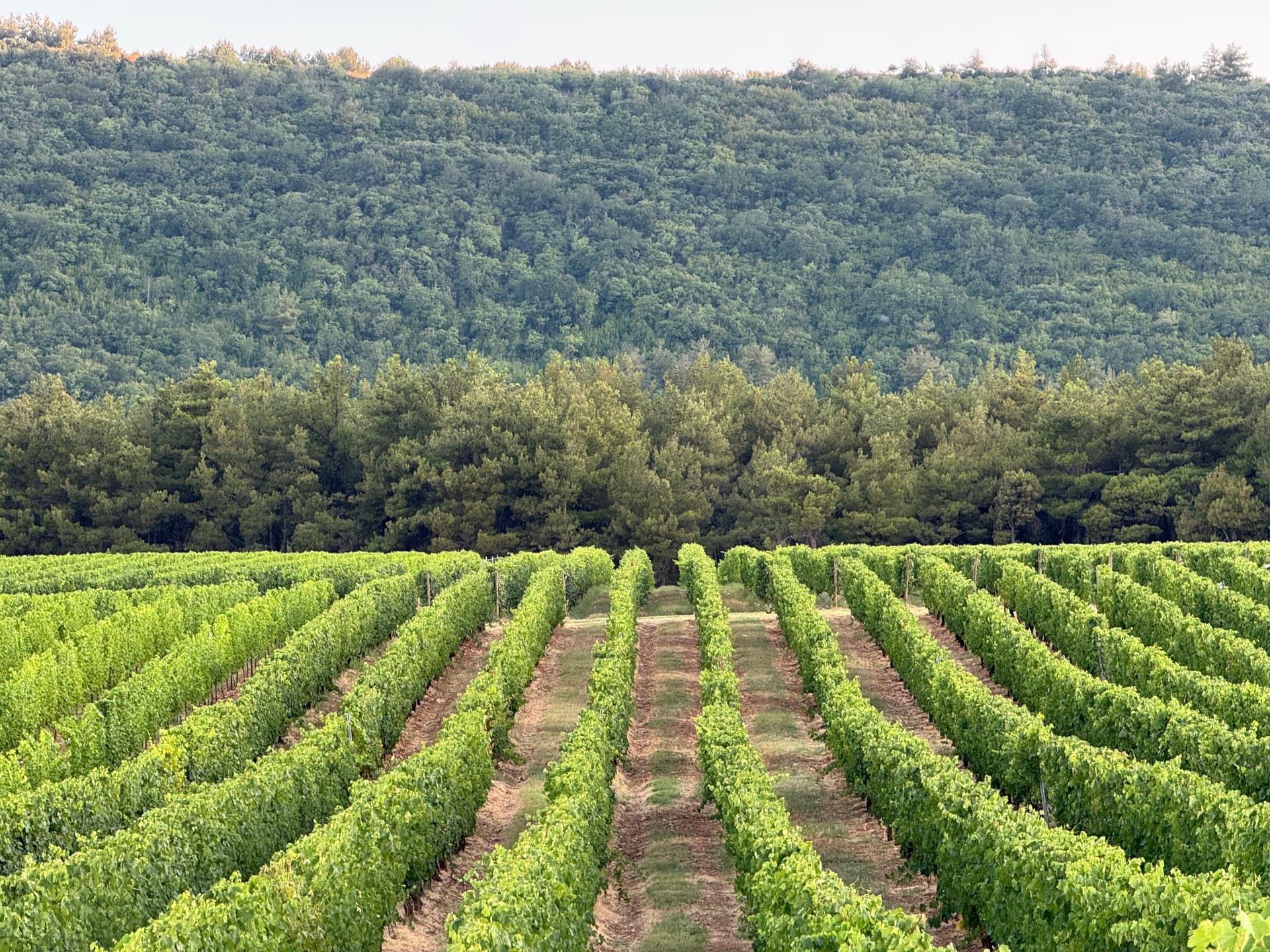
The vineyards of Ktima Pavlidis extend across the areas of Kokkinogeia and Perichora in Drama, two regions known since antiquity for their vineyard sites. The climate is typically Mediterranean-continental, with a markedly strong temperature difference between day and night. The constant mountain winds that blow provide ideal conditions for maximizing the grapes’ aroma and phenolic potential, while also limiting disease development. As part of our effort to highlight the varietal characteristics linked to our area’s microclimate, we maintain particularly low yields per hectare and most vineyard operations are carried out by hand. We apply modern cultivation techniques, such as regulated deficit irrigation (RDI) and monitoring of essential parameters using weather stations. Additionally, we follow an Integrated Management System, and interventions—especially plant protection—are always undertaken with a view to preserving biological balance.
Winemaking Philosophy
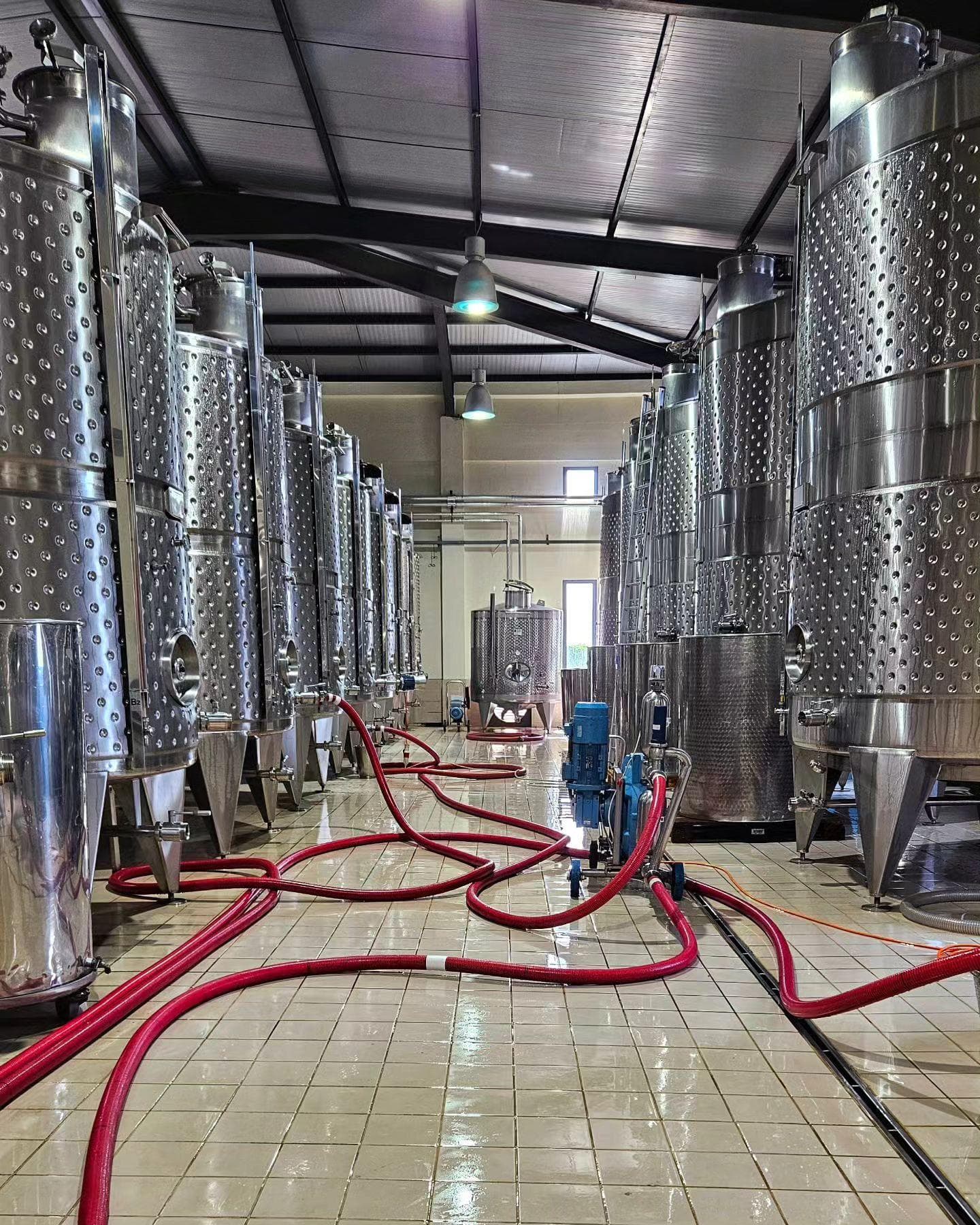
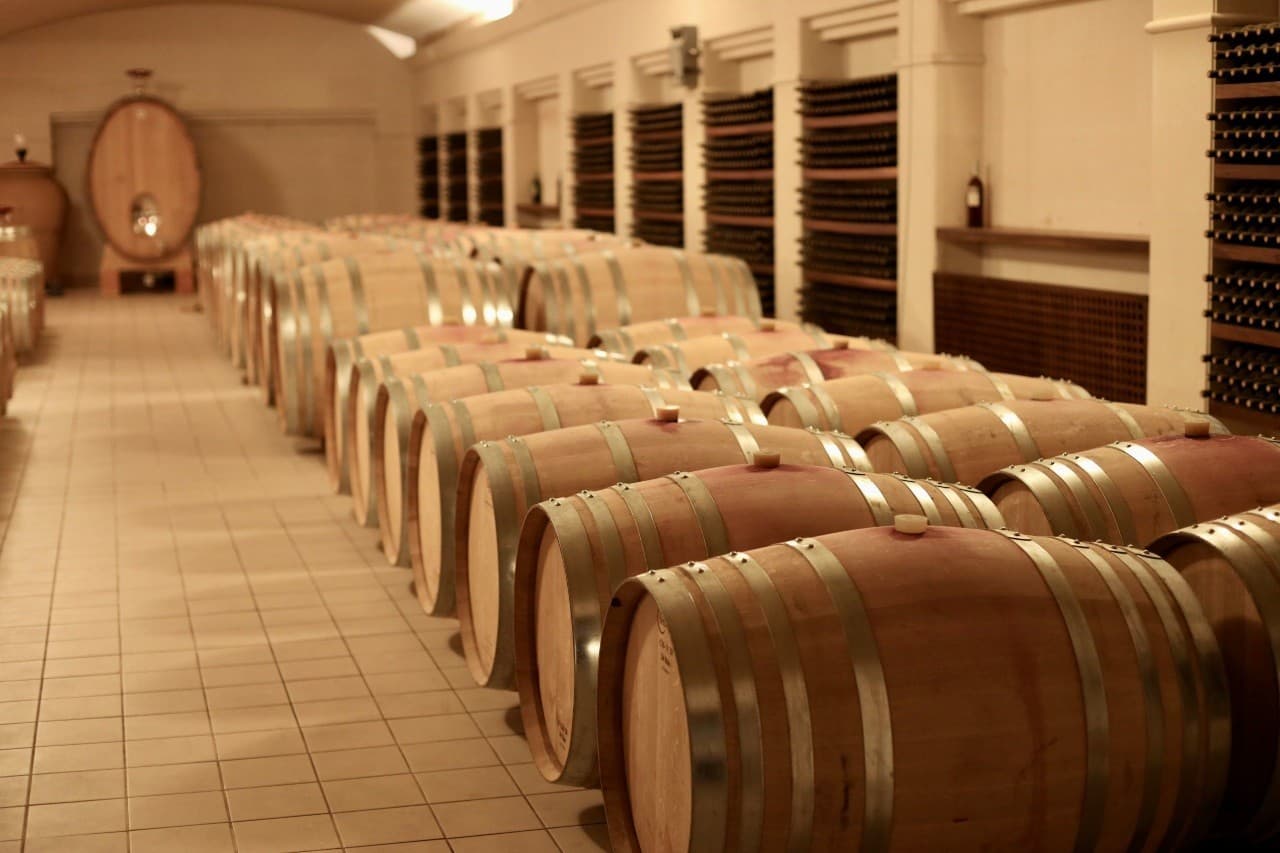
The design of the winery highlights the functionality of the spaces that house the state-of-the-art winemaking equipment. The winemaking halls are equipped with modern oak and stainless-steel tanks of various sizes that allow vinification by vineyard plot. Then, the wine from the tanks is transferred by gravity to the underground cellars, where, under continuous control of environmental conditions, it matures in oak barrels and tanks, as well as ceramic amphorae. Between the two underground cellars lies the impressive tasting room.